Europe has moved again in the least comfortable direction: tightening monetary policy when the economy is already tired. The European Central Bank raised its benchmark rate to 2.25% in June 2026 after eurozone inflation climbed to 3.2% in May, driven by more expensive energy and signs that the shock was spreading into broader prices.
The figure matters for two reasons. The first is domestic: millions of European households are once again dealing with more painful utility bills, less cheap financing and a cost-of-living pressure that was no longer at the centre of the conversation a year ago. The second is external: when Europe tightens conditions, its decisions spill over into trade, credit, demand and capital flows in other regions, including Latin America.
The return of a less transitory inflation
For much of 2025, it seemed the euro area had left the sharpest phase of the inflation shock behind. But 2026 broke that comfort. The energy rebound linked to the war in the Middle East revived one of central banks' classic fears: that an initial rise in fuel and energy prices would then filter into services, wages and broader prices.
That is exactly what the ECB began watching more aggressively. The issue is not only that gas or oil prices rise; it is that firms, unions and retailers start behaving as if higher inflation were back to stay. Once that expectation settles in, the problem stops being sectoral and becomes macroeconomic.
Why the ECB chose to move now
The increase to 2.25% may look modest, but its political meaning is strong. It is the first hike in nearly three years and it sends a double message. Internally, it tells markets that the ECB is willing to react before inflation becomes entrenched. Externally, it reminds governments and businesses that the era of relatively cheaper money may close again if energy keeps pushing prices upward.
The decision also reflects a central difficulty of 2026: even if oil prices fall in the short term, the indirect effects have already started to spread. And when a central bank believes the risk of second-round effects has risen, it usually prefers to act before regretting its delay.
Cost of living returns to the centre
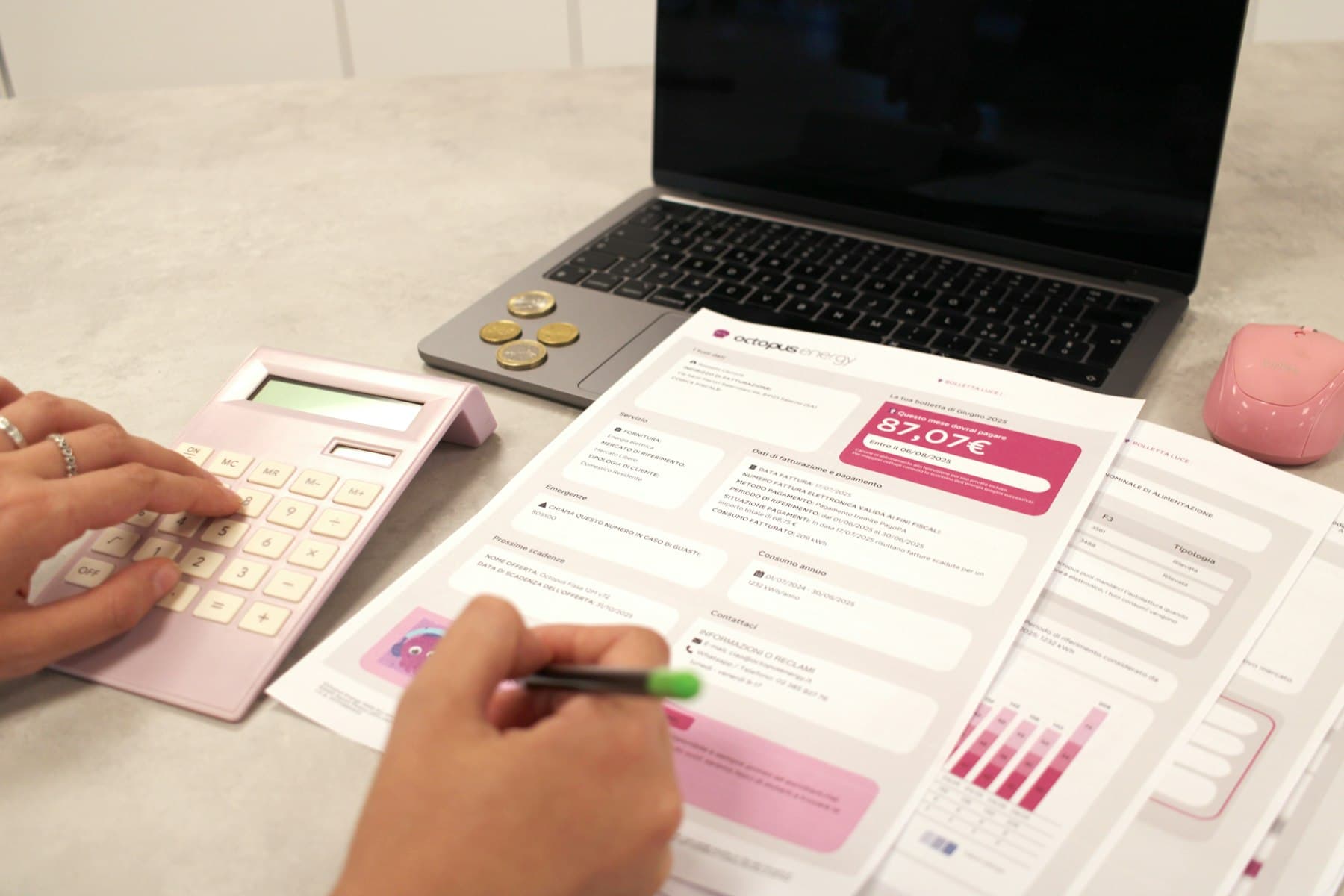
For a European family, all of this can be reduced to something very concrete: paying more and borrowing under worse conditions. Mortgages, consumer loans, indexed rents and essential utilities absorb the pressure quickly. Even if headline inflation does not return to the peaks of past years, persistence above target erodes confidence and forces households to recalculate spending.
The key point is that the cost of living does not rise only when prices explode; it also rises when uncertainty forces people to live with less room for error. A higher rate makes both large and small decisions more expensive: buying, refinancing, investing or simply maintaining a stable spending routine.
What this has to do with LATAM
More than it might seem. Europe remains a major commercial, financial and political partner for the region. If its economy loses momentum because of higher rates and expensive energy, that can affect external demand, investment and appetite for risk. A Europe more worried about inflation and energy security is also likely to look at international trade through a stronger mix of pragmatism and domestic defence.
That helps explain, for example, the new geopolitical value of the Mercosur-EU agreement. The European bloc wants to diversify relationships and protect strategic chains, but at the same time it remains under pressure from local producers, consumers and governments worried about the cost of living. Both realities coexist.
Energy is once again dictating the conversation
There is a broader lesson behind the ECB's shift: energy never stopped being the great silent organiser of the global economy. Technologies change, new productivity promises emerge and the world debates artificial intelligence, but when oil and gas rise, the cost filters into everything. Transport, fertilisers, food, manufacturing, services and inflation expectations all realign around the same question: how much can the consumer bear.
Europe today is not discussing only a rate. It is discussing how long it can withstand high energy prices without letting inflation once again condition the entire economy.
What to watch now
In the coming weeks, three signals are worth following. First: whether European inflation eases or remains above 3%. Second: whether the pressure spreads more deeply into wages and services. Third: whether the ECB hints at additional hikes or simply at a vigilant pause. Each of those variables changes market mood, European demand and, by extension, the environment for exporters and businesses elsewhere.
The conclusion of this week is less spectacular than it is important: Europe has once again been reminded that inflation never fully disappears. It only waits for a new burst of expensive energy to return to centre stage.
Sources: